- Home
- Products
- Rice Mill

Rice Mill
Rice Mills for
Agriculture & Grain Processing

Rice Mill Machine Price List 2026
| Model | Machine | MRP | Price |
|---|---|---|---|
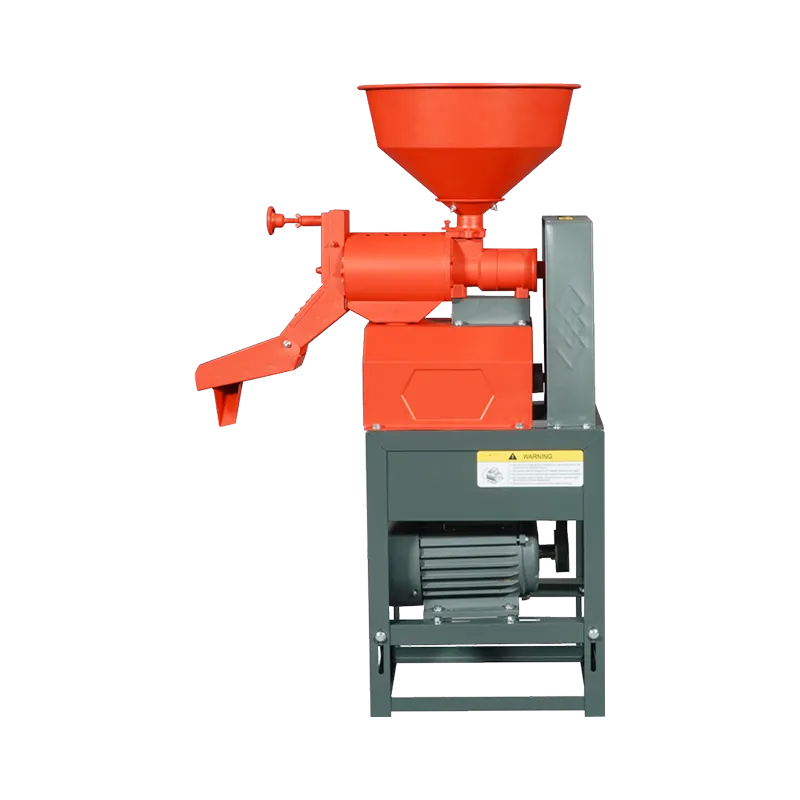
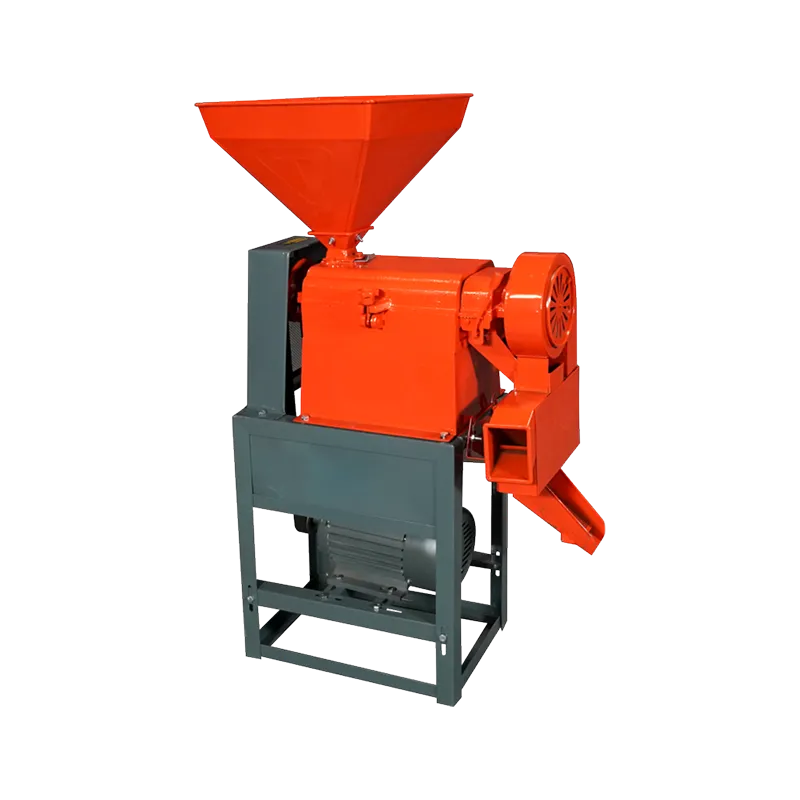
| ARM-6N-40 | ALAP RICE MILL | ₹64,999 | ₹60,000 |
| ARM-6N-100 | ALAP RICE MILL | ₹74,999 | ₹70,000 |
Prices are the current prices listed on this site. Open any model and use Buy Now to place an order — our team calls to confirm delivery and payment, anywhere in India.
Rice Mill Range Overview
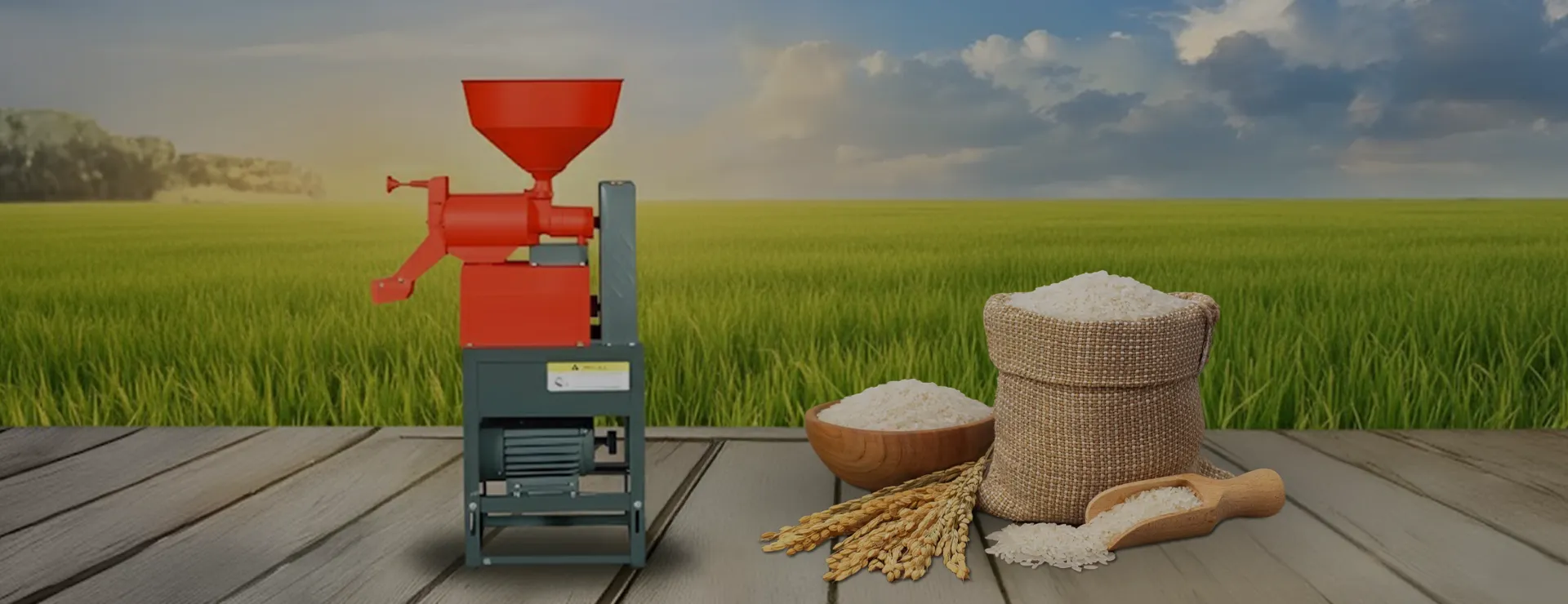
A rice mill processes harvested paddy into cleaned, milled rice by removing the husk and outer bran layer. For farmers and small agricultural businesses, a compact rice mill brings this processing step closer to the farm rather than relying entirely on larger commercial milling facilities. Almighty Agrotech's ALAP RICE MILL range (ARM-6N-40, ARM-6N-100) is built for agriculture, grain processing, and small-scale rice production.
These machines are suited to farmers, small millers, and agricultural businesses handling paddy processing, rice cleaning, and grain milling at a farm or local level, rather than large industrial-scale operations. A compact rice mill lets growers process their own paddy or offer milling as a local service, reducing dependence on transporting grain to a distant mill.
Key Applications of Rice Mills
Rice mills are used for paddy processing and husk removal at farm or small-business level, and for rice cleaning and milling for local consumption or sale. They also suit small-scale grain processing for farmers diversifying into value-added produce, as well as supporting local milling services in paddy-growing regions.
Rice Mill Types Available from Almighty Agrotech
Almighty Agrotech's ALAP RICE MILL range includes the ARM-6N-40 and ARM-6N-100 models, positioned for small-scale and farm-level rice processing. For exact output capacity and power requirements of each model, refer to the individual product page.
Important Features to Consider in a Rice Mill
Processing scale matters first, so match the model to the volume of paddy you typically process in a season, and ease of operation is worth checking too, since a straightforward, low-maintenance design matters for farm-level use without dedicated technical staff. Durability counts because rice milling involves continuous mechanical wear, so build quality affects service life, and power requirements should be confirmed before installation. Maintenance access is also worth checking, since routine servicing keeps milling quality consistent over time.
Why Choose Almighty Agrotech for Rice Mills
Almighty Agrotech's ARM-6N-40 and ARM-6N-100 give small farms and local millers a choice between two processing scales rather than a single model, so the machine can be matched to actual seasonal paddy volume instead of over- or under-buying capacity. For farms that keep livestock alongside growing paddy, sourcing the rice mill from the same manufacturer that makes the chaff cutter for fodder preparation means one supplier relationship covers both the grain and the feed side of the operation, rather than coordinating service across two brands. Products carry FMTTI-tested certification shown on eligible models.
How to Select the Right Rice Mill
Estimate Your Processing Volume
Match the model to how much paddy you process in a typical season, since occasional, farm-level use has different needs than regular, higher-volume processing.
Consider Who Will Operate It
A straightforward, low-maintenance rice mill matters most where the machine will be run by farm staff without dedicated technical training.
Plan for Power Requirements
Confirm the power source needed for your chosen model fits what's available at your processing site.
Factor in Ongoing Maintenance
Rice milling involves continuous mechanical wear, so check servicing requirements and parts access before committing to a model.
Maintenance and Usage Guidance for Rice Mills
Before Each Use
Check that all guards and covers are in place, and inspect belts and moving parts for wear or looseness before starting.
During Operation
Feed paddy at a steady, even rate rather than overloading the machine, to keep milling quality consistent and reduce strain on internal components.
After Each Use
Clean husk, bran, and grain residue from the machine to prevent buildup that can affect the next milling run.
Routine Servicing
Follow the product manual's servicing schedule, and replace worn belts or components promptly to maintain consistent output quality.
Basic Safety Practices
Keep hands clear of moving and rotating parts, and switch off the machine completely before clearing any blockage.
Frequently Asked Questions about Rice Mills
What is a rice mill used for?
A rice mill processes harvested paddy by removing the husk and outer bran layer to produce cleaned, milled rice, suited to farm-level or small-scale processing rather than large industrial operations.
Is Almighty Agrotech's rice mill suitable for small-scale farm use?
Yes. The ALAP RICE MILL range (ARM-6N-40, ARM-6N-100) is built for agriculture, grain processing, and small-scale rice production at the farm or local-business level.
How much paddy can a rice mill process?
Processing capacity varies by model. Refer to the individual product page for the specific output figures of the ARM-6N-40 and ARM-6N-100, or get in touch with our team for guidance based on your typical processing volume. Our mini rice mill guide explains how much milled rice to expect from 100 kg of paddy.
Does a rice mill need regular maintenance?
Yes. Routine cleaning of husk and bran residue, along with periodic checks of belts and moving parts, helps keep milling quality consistent and extends the machine's service life.
Can a rice mill be used alongside other farm processing equipment?
Yes. Many farms that grow paddy also keep livestock, and pairing a rice mill with a chaff cutter covers both grain processing and fodder preparation needs.
Who typically uses a compact rice mill like this?
Farmers, small millers, and agricultural businesses processing paddy at a farm or local level, rather than large commercial milling operations.
Explore the Rice Mill Range
Almighty Agrotech's ALAP RICE MILL range gives farmers and small agricultural businesses a practical option for paddy processing, rice cleaning, and grain milling at a farm or local level. Compare the ARM-6N-40 and ARM-6N-100 models above, or get in touch with our team for guidance on product selection, dealership, or bulk requirements.