05 November 2026
Rabi Crop Spraying Guide: Wheat, Mustard & Gram (2026-27)
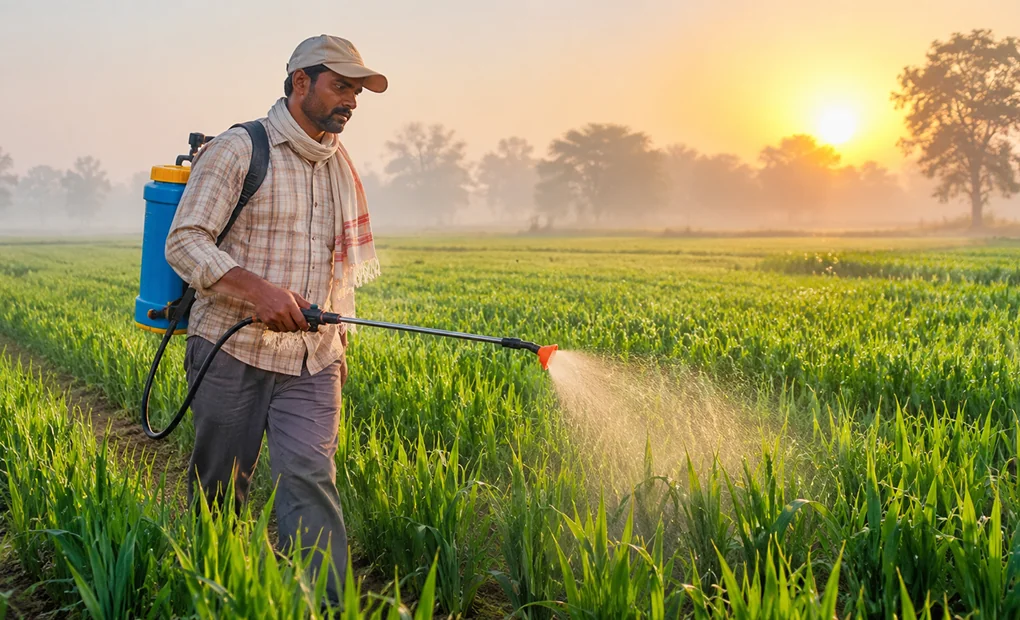
Rabi crops like wheat, mustard and gram are sown from October to December, and timely spraying decides the yield more than almost anything else in winter. Spray too late for aphids on mustard or yellow rust on wheat and you lose grain you cannot get back. This guide covers what to spray on the main Rabi crops, when, and which sprayer and nozzle to use for clean, even coverage.
Why spraying matters more in the Rabi season
Winter weather brings its own pests and diseases. Cool, cloudy days help aphids multiply on mustard and wheat, dew and fog spread fungal diseases like rust and blight, and weeds compete hard in the early crop. A Rabi crop that is sprayed on time with the right nozzle protects both the plant and the money you spent on seed and fertiliser. Always follow the dose and safety directions on the pesticide label and the Government of India plant protection guidance from the Directorate of Plant Protection, Quarantine and Storage.
Wheat: what and when to spray
Wheat needs attention at three points. For weeds, spray a herbicide 30 to 35 days after sowing with a flat-fan nozzle for an even band over the soil. Watch for yellow or brown rust from the tillering stage, especially in foggy weather, and spray a fungicide at the first orange spots. Aphids can appear near the ear-head stage; spray only if they cross the threshold. A flat-fan nozzle suits herbicides, while a cone nozzle gives better cover for fungicide and insecticide on the plant.
Mustard: watch the aphid
The mustard aphid is the big one. It builds up fast on cool, cloudy days and sucks the plant at flowering and pod stage, which can cut yield sharply if missed. Scout the crop from flowering, and spray a recommended insecticide as soon as aphids cross the threshold, covering the underside of leaves and the shoots where they cluster. Alternaria blight and white rust also show up in damp weather and need a fungicide. A cone or hollow-cone nozzle gives the fine, all-round cover mustard needs.
Gram and other pulses: pod borer
In gram (chickpea), the pod borer is the main threat from flowering to pod fill. Scout for the caterpillar and eggs, and spray a recommended insecticide at the early pod stage, repeating if needed as per the label. Even coverage of the pods matters, so use a fine nozzle and spray in the cooler part of the day.
Which sprayer should you use for Rabi crops?
The sprayer depends on your area and crop height.
Sprayer | Best for |
Battery sprayer | Most Rabi spraying on a few acres: no pumping, steady pressure, one person all day |
Manual knapsack / foot sprayer | Small plots and backup when there is no power to charge |
HTP or power sprayer | Larger fields, tall crops and long reach where high pressure is needed |
For most farmers, a battery sprayer is the practical choice for Rabi crops. Compare tank sizes and battery life in the battery sprayer price guide, and for bigger fields see the power sprayer range.
Choosing the right nozzle
The nozzle decides droplet size and coverage, so it decides results. Use a flat-fan nozzle for herbicides to lay an even band, a cone or hollow-cone nozzle for insecticides and fungicides to cover the whole plant including leaf undersides, and keep the nozzle at a steady height and walking speed for uniform output. A worn nozzle sprays too much chemical for worse coverage, so check it each season. For a full breakdown, read the spray nozzle types guide.
Spraying safety in winter
Spray on a calm day, not in strong wind or fog, so the spray lands on the crop and not on you. Wear a mask, gloves and full sleeves, do not eat or smoke while spraying, and wash the tank, hose and nozzle after every chemical. Never mix chemicals unless the label allows it, and keep children and animals away from the sprayed field until it is safe.
Frequently asked questions
When should I spray wheat in the Rabi season?
Spray a herbicide for weeds 30 to 35 days after sowing, watch for rust from the tillering stage and spray a fungicide at the first spots, and spray for aphids near the ear-head stage only if they cross the threshold.
How do I control mustard aphid?
Scout the crop from flowering, and spray a recommended insecticide as soon as aphids cross the threshold, covering the underside of leaves and the shoots. Cool, cloudy weather makes aphids build up fast, so act early.
Which sprayer is best for Rabi crops?
For most farms a battery sprayer is best: no hand pumping, steady pressure and a full day on one charge. Use a manual sprayer for small plots and an HTP or power sprayer for large or tall-crop fields.
Which nozzle should I use for herbicide on wheat?
Use a flat-fan nozzle for herbicides so the spray lays an even band over the soil. Use a cone nozzle for insecticides and fungicides to cover the whole plant.
Can I spray in the morning fog?
Avoid spraying in thick fog or strong wind. Spray on a calm, clear part of the day so the chemical lands on the crop and does not drift or wash off with the dew.
Is there a subsidy on sprayers?
Many states include sprayers in farm machinery subsidy schemes. Check your eligibility with the Krishi Yantra subsidy checker.
Spray only recommended, approved chemicals at the label dose, and confirm the current pest thresholds and schedule for your crop and area with your local agriculture department before spraying.


